Community, Culture, & Critique
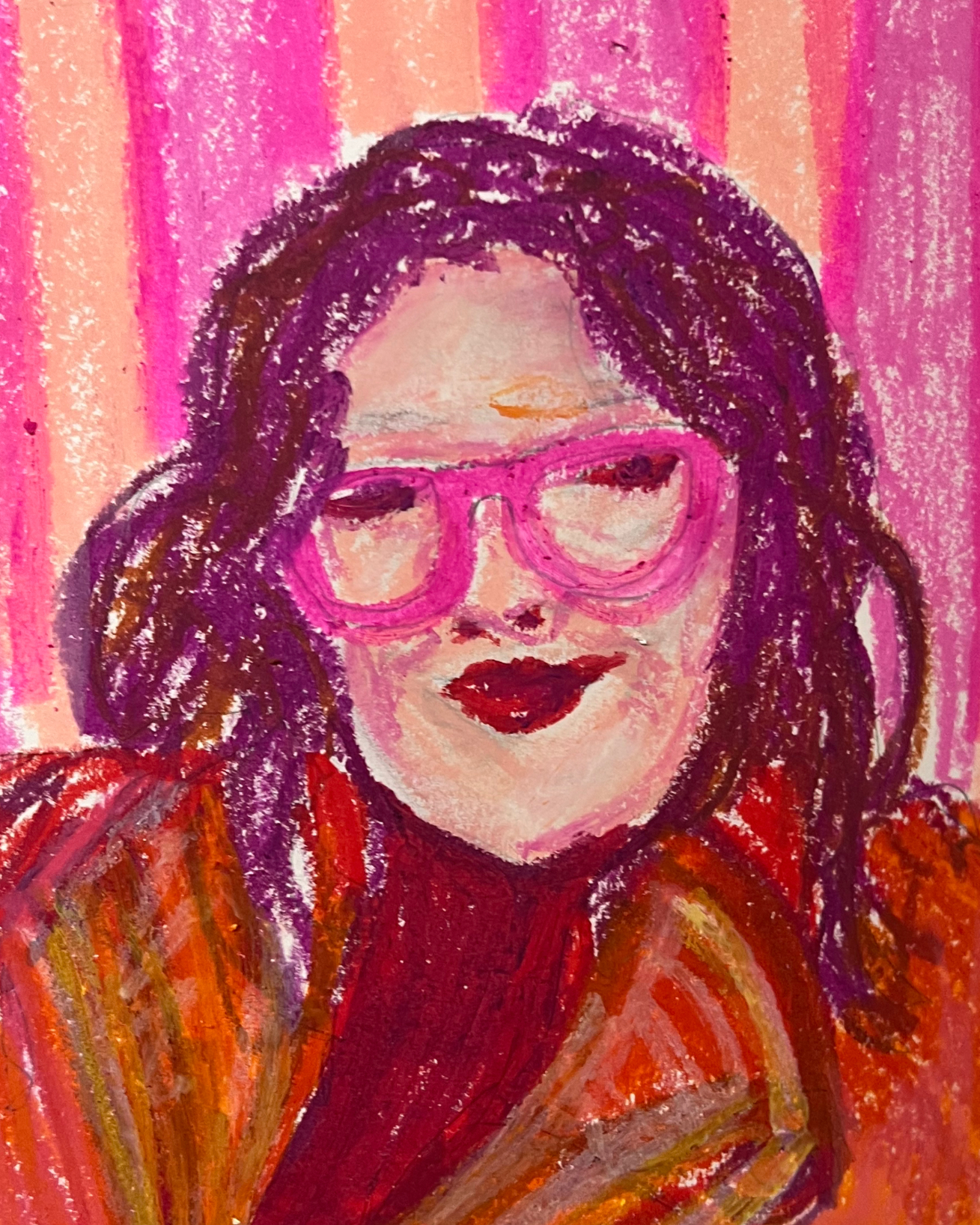
When we attack critique in the art room it is incredibly important to remember all the pieces that come into play. Students can be very sensitive when it comes to critique, especially when it is a new concept to them. As students and their skillsets develop, critique often becomes a favorite part of class, but it is key that the teacher build a positive culture around critique so students feel safe and supported as the learn how to give and take critique well.
As we look back in history, we see culture with distinct visual cultures, traditions, and styles of art. That as all changed as the internet has entered our world. We are starting to have a harder time finding distinctive characteristics between cultures as we begin to merge our cultures though communication. We can see in our Euro-American societies, we create art for an aesthetic, where most Asian and Navajo groups the process of making art is the aesthetically significant part.
"When Yoruba people of Nigeria consider aesthetics, the say 'iwal'ewa' -- 'essential nature is beauty' ; in other words, only when a work of art captures the essential nature of its subject will the art work be evaluated as beautiful" (Drewal & Pemberton, 1989)
So what is beautiful or aesthetic? Do aesthetics only matter within a final piece? Can we find beauty in just making art? This is a key questions, especially in the classroom. In my classroom, giving students the space to just create is more important to me than their final projects. the messy, the bad, the frustrating art is more aesthetic than a perfect copy and paste style project. I want to see my students pushing their own limits and trying new things, that is success in my book. Is this avant-garde? Do you agree?
We see artists in every generation who want to be avant-garde, creating something that has never been created before, but is that really possible? What is really new? Is it possible to create new art anymore? I would argue we are all just recycling things we have seen before. Although the shock of the new is always shiny and exciting, is it really new? We are all building our own views, by the books we read, movies we watch, the social media we in take. I often find things pop up in my style or creation style from things I loved as a child. I was recently working on a painting, a plein-air painting of my neighbors house, I don't often paint landscapes especially of homes, and realized my style is significantly similar to my favorite book series as a child. I hadn't ever painted a similar subject matter, but in-doing so I noticed lots of similarities to our styles! This is a great example of inspiration I didn't even know I was using. Although my art work wasn't copied at all, it was influenced by my life and the things I have absorbed over a lifetime.
Now where do we draw the line? For me, its when we start copying cultural art that isn't ours to copy. We see this often, for example we see traditional Mexican art forms. Students study it in school and artists are inspired by it, but what I feel isn't okay, is when we find "traditional" Mexican art with tags that say "Made in Indonesia" or "Made in China." Making a profit off a very specific cultural and not even profiting the cultural you are stealing from feels wrong. The term interculturalism has been tokened as a practical recognition of the realities of multiple cultural evolutions within different social groups. We see this all types of art and education, and using it with intention can be a wonderful way to build community and bring awareness to all sorts of cultures, but how far can we go?


Comments