Art Education
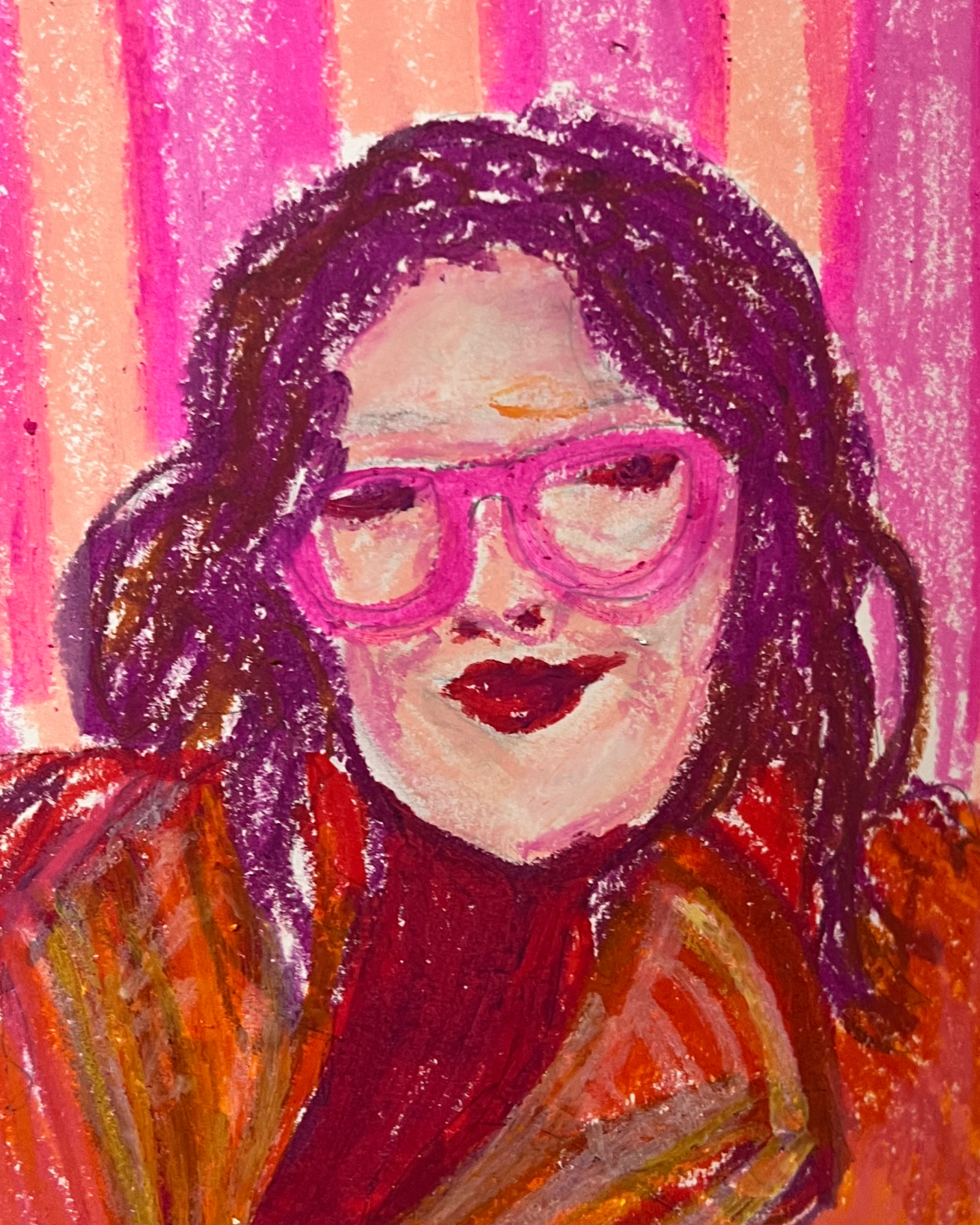
Art education is a such an important part of our culture. Although it is a constant fight to get art budgets in schools, and priorities from administration, art is the most important part of culture. As we look through history we see art change and evolve, but it was always there and an important part of every culture. In this blog, I want to focus on an introduction into art education and how our view of it has changed over the years.
There are two types of art in our topic today.
Fine Art: Often identified as the art in the museums and galleries. In antiquity, fine art has been reserved for the most elite in society. Most working class people wouldn't even have been able to see. As we have progressed fine art has become more accessible, but is often still "set apart" in museums or galleries.
Popular Art: Other art falls into this "popular" section. Crafts, designers, puzzles, card making, etc. Much of the contemporary art falls into this category, much of the types of art we see and interact with on a regular basis.
For most of history these two groups have been black and white, but today we see those lines blurring. We see this in much of the contemporary work today, the mixing of fine art and popular art.
"Art has the power to limit children's vision and creativity or it can free their minds."
This is where Visual Culture comes in. Visual culture can be anything that is human made that shapes our world in a visual sense: from graphic novels, to comics, music videos, and political posters. Visual culture represents the essense of a culture. We can find all types of cultures, multicultural communities and intercultural communities and their visual culture gives us an image of their experience. It is such a wonderful way to see how a community functions, what it finds beautiful, its political scene, and how the people experience life in their community.
When it comes to art, context is key. Imagine a large piles of papers. In a museum, a large stack of papers could be an exhibit, but on the street we see trash. Context has always been something that artists see best. How can we take something out of its original context and present it to the public in a new way? Art is the way to do that, and educating our youth to see things in a new light is just the beginning.
One big piece that is changing art and art education in our world today is technology. It has taken our distinct cultures and lead us into a multimodal culture. With improved communication, international trade and marketing, all our cultures are mixing together, creating a melting pot of inspiration and multimodal art. We see more interdisciplinary art and how our different communities connect. With technology advancing, we need to use technology and not shy away. Technology can be a tool to share our creativity with the world, and learn and connect with others.
Art Project to connect with Popular Art vs Fine Art
Students choose an everyday object or image from their own visual culture (a meme, a cereal box, a sneaker design, a piece of packaging, a screenshot from a video game) and physically or digitally "recontextualize" it the way a museum recontextualizes a stack of papers into art. The goal is to make the invisible decision-making of "what counts as art" visible to students.
Project Details:
Collect Materials: Students photograph or bring in an object from their popular/visual culture that they wouldn't normally think of as "art" (a candy wrapper, a text conversation, a TikTok still, a video game UI).
Reframe Object: They present it three ways: in its original context (a photo of it "in the wild"), in a "museum" context (matted, labeled, lit like a gallery piece, maybe with a fake wall placard), and in a third context of their choosing (blown up huge, cut into a collage, remixed digitally).
Reflection: A short artist statement responding to: Does moving it into a new context make it "fine art"? Who gets to decide that? What does your object say about the culture you're part of?
Sources: Freedman, K., and D. Boughton. Elementary Art Education: A Practical Approach to Teaching Visual Culture. E-book.

Comments